

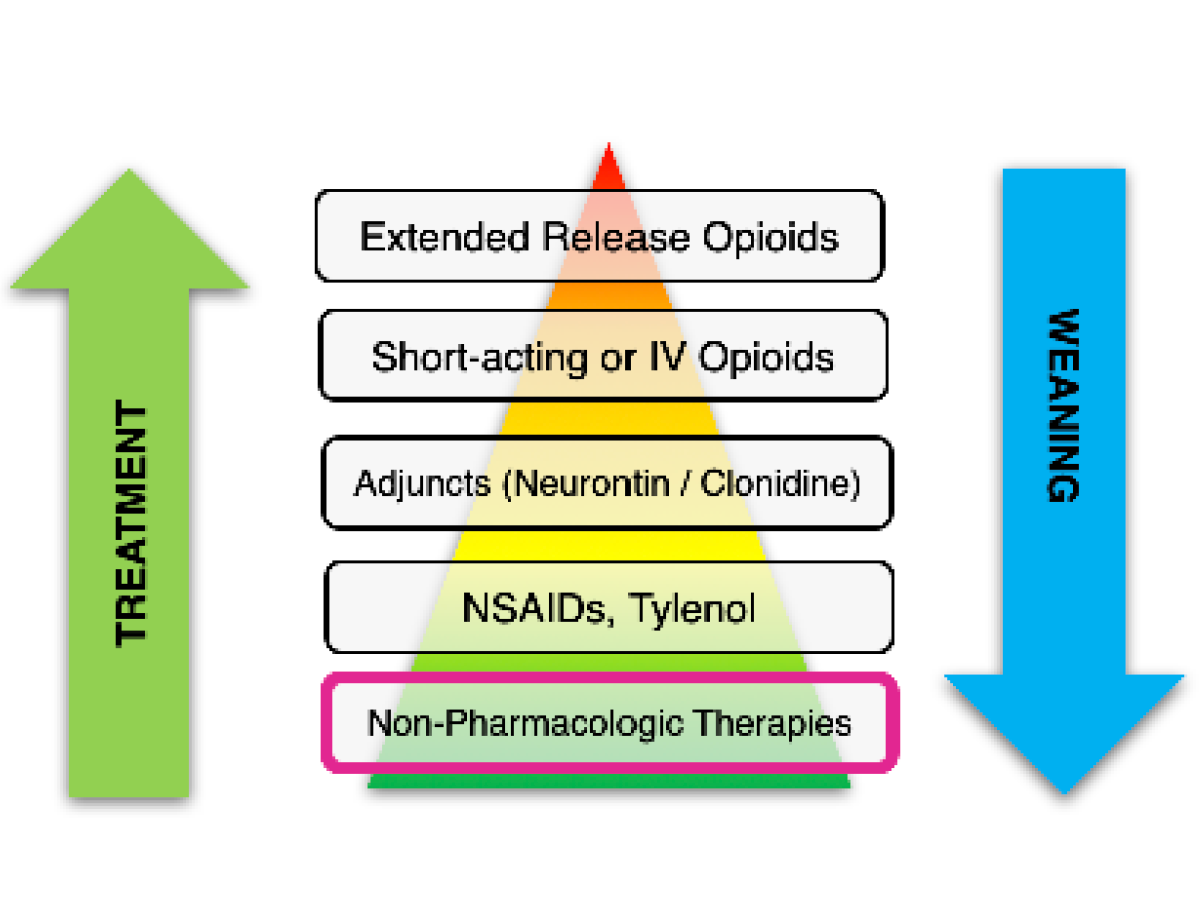
For Dr. Kevin Walker, a pain medicine specialist with Prisma Health, the opioid epidemic is like a river that starts as a gentle stream — prescriptions written with good intentions, a small dose to ease the pain. But as the river flows, it picks up speed, carving deep canyons into families and communities.
For nearly 15 years, Dr. Walker has parlayed his expertise in pain management, meticulous research, and collaborative partnerships to build bridges across those canyons so people can get back to the lives and communities they cherished before their addiction.
He has worked with hospitals and spoken to medical students, nurses, and thousands of colleagues about the need for a cultural shift — a shift that ensures that everyone takes responsibility in the fight against the opioid epidemic.
The U.S. Food and Drug Administration’s approval of Journavx, a non-opioid analgesic to treat moderate to severe acute pain in adults, is a huge win in the battle against opioid addiction, but Dr. Walker is quick to remind audiences that a sustainable win requires a cultural shift that involves patients, doctors, state and federal regulatory bodies, and pharmacies, to name a few stakeholders.
“We need to shift processes in operating rooms and offices so that the patient is set up for success,” Dr. Walker explained. “We need to consider alternative therapies before prescribing opioids and, if a patient needs an opioid to ease a specific short-term pain, we need be to intentional about the prescription and then reassess, reassess, reassess.”
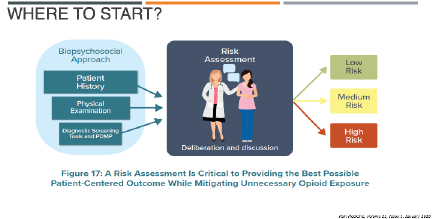
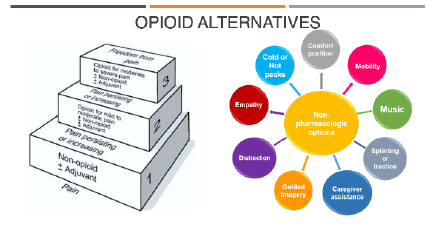
The huge cultural shift that Dr. Walker envisions also involves educating patients about opioid alternatives and helping them set realistic expectations for pain management.
“The first question you should always ask is why, and that’s why of anything. Why am I taking this medication? Why do I need to do whatever it is you’re asking me to do?” Dr. Walker explained. “Because if they understand the why, their compliance is going to be better and it’s going to be a better treatment plan for them. They clearly need to understand: Are there side effects? What are the risks? How do I mitigate those risks? What can I do to protect myself, to make myself healthier and not cause any other harm?”
Dr. Walker and his team have been practicing and perfecting this kind of “opioid stewardship” long before the health system coined the term, let alone became a hospital expectation.
He can’t pinpoint “one cool answer” for why he has dedicated his research and medical career to pain management and, for the last decade, to halting the opioid crisis. However, he was spurred in part, he said, by his desire to help a family member who fights chronic pain. Helping that family member engendered his insatiable curiosity about why pain exists at all.
“It makes no sense that humans have pain,” Dr. Walker explained. “There is no evolutionary purpose; it doesn’t help humans live longer.”
Dr. Walker also grew up on a farm. “I’ve always been aware of the fact that we are in, and part of, a community,” Dr. Walker said. “I approach medicine and the opioid crisis with that community, it-takes-a-village mindset.”
Dr. Walker has several examples of times when villages rallied and victories against opioid addiction followed:
During the time that the opioid stewardship program formed in October 2016 until November 2024, the overall opioid prescription rate went down 50%.
Narcane distribution has helped the number of opioid-related deaths trend downward; it is still higher than the national average, but it is trending down.
Certain surgical operations are opioid free. Thyroid procedures are less invasive, and patients are not exposed to opioids at all. There are more minimally invasive hernia procedures too. Hernia specialists are committed to opioid stewardship and have discovered that by giving patients a fixed number of pain pills and educating them about alternating Tylenol and Advil, patients are taking fewer opioids.
Perhaps the biggest victory, noted Dr. Walker, came when CaroNova launched the Opioid Stewardship Accelerator (OSA) in 2022 to support hospitals and health systems.
The OSA has a centralized online library of strategies, tools, and resources to accelerate health systems’ adoption of opioid use disorder prevention, treatment, and recovery best practices.
“I hate to tell patients, or tell anybody for that matter, that nobody is immune to abuse of opioid medications,” said Dr. Walker. “Everybody will become chemically dependent on them if they take them long enough.”
“Everyone is a stakeholder in this fight,” he added. “We have to keep researching; we have to be as transparent as possible. Each honest conversation helps move victories forward. If what physicians were taught in the past proved to be wrong, we can learn and move forward.”
Physicians can learn, move forward, and help their patients move forward too.
Learn More: opioidlibrary.caronova.org/
At-A-Glance
Dr. Kevin WALKER
Medical Education:
Vanderbilt University Medical Center
Fellowship:
Interventional Pain Management
Medical University of South Carolina
Residency:
Anesthesiology
Medical University of South Carolina
Board Certifications:
Anesthesiology
American Board of Anesthesiology
Pain Medicine
American Board of Anesthesiology