
Resident Spotlight
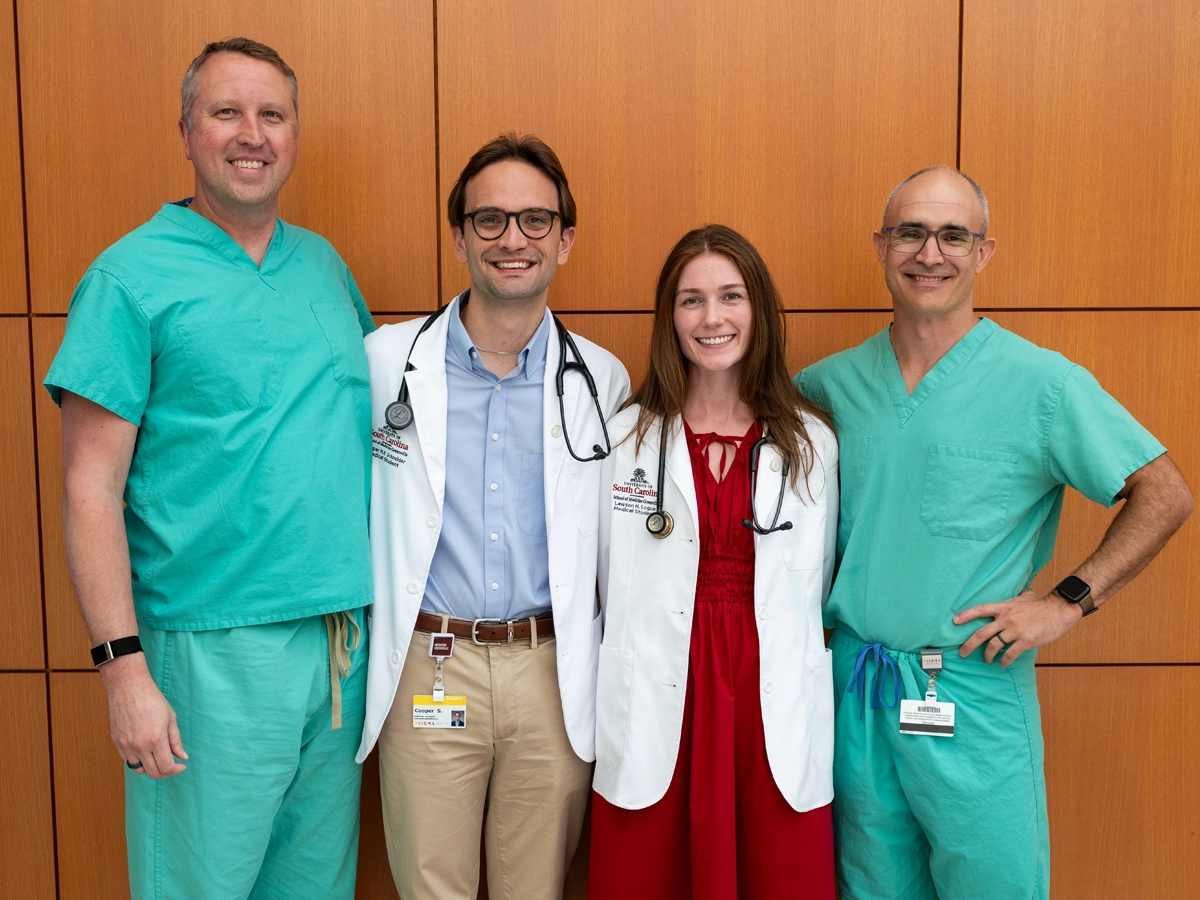
Cooper Schneider has shared his life with the camera for so long that it’s second nature at this point. Since a friend turned him onto the social media platform TikTok at 15 years old, the native Ohioan has shared his major life experiences with his followers, making funny videos about the random things that happened in his day-to-day life as a high school student, from surviving biology class and getting his driver’s license to showing his home state pride.
While so many TikTok creators stay undiscovered, something about Schneider’s videos resonated with people.
“I loved the creative side of storytelling through video,” he says. “Most of my early videos were short snapshots of my everyday life. They weren’t anything elaborate — just authentic moments that people seemed to connect with. Within a month or two, one of my videos went viral. What started as something fun and quickly turned into a platform and a community I never expected to build.”
Schneider’s content has changed as he’s navigated four years of high school and graduation, a move to South Carolina for college, preparing for the MCAT, studying abroad in Spain and now his journey through medical school. As he says, “My audience has grown up right alongside me.”
These days, that audience also understands that navigating the challenges of his studies at USC School of Medicine Greenville often means fewer posts on exam weeks, though Schneider films and schedules several videos at a time whenever his coursework allows. Through TikTok, Schneider has introduced his audience to life as a medical student in way that is very much on-brand: light-hearted, approachable and informative. For Schneider, social media has become more than a creative outlet — it has become an important part of his journey through medicine.
“Social media has introduced me to an incredible community of residents, physicians and mentors who have helped shape my journey,” he said. “Those relationships have shown me the importance of mentorship, strengthened my passion for physician advocacy and reminded me that meaningful connections can have a lasting impact both online and in healthcare. As the first in my family to pursue medical school, that guidance has meant the world to me and I hope I can one day use my platform to offer that same encouragement and mentorship to others.”
Schneider’s own path to medicine was never a foregone conclusion. He didn’t spend childhood dreaming of being a doctor but instead found his way to the profession in a less direct way.
“I’ve always loved science, but I was equally drawn to advocacy and serving my community,” he says. “As I spent more time volunteering in healthcare settings and working as a Spanish medical interpreter, I realized medicine was where all those passions came together. I saw physicians making an impact not just through medical knowledge, but through compassion, communication and advocacy.”
Schneider says that he chose USC School of Medicine-Greenville for its strong commitment to community engagement.
“From our very first weeks of medical school, we weren’t just learning medicine in the classroom — we were out in communities Upstate through our EMT training, gaining a firsthand understanding of the people and communities we serve. That really resonated with me because I don’t believe patient care begins and ends within the four walls of an exam room. It starts by understanding where people live, the barriers they face and the factors that shape their health long before they walk into a clinic. I wanted to train at a medical school that emphasized treating the whole person and serving the community as much as mastering the science of medicine.”
Though he has not yet determined his area of specialty, Schneider has found community in the South Carolina Medical Association.
“My interest in the SCMA and organized medicine really grew out of my experience with Gen Z for Change, where I saw firsthand how advocacy and public policy can shape healthcare,” he said. “When I started medical school, joining the SCMA felt like a natural extension of that passion. It’s given me the opportunity to learn from physician leaders, better understand how organized medicine advances patient care and grow as an advocate for both patients and the profession. Organizations like the SCMA give students and early-career physicians a seat at the table. They provide opportunities for mentorship, leadership and advocacy while helping us better understand the challenges facing healthcare beyond what we learn in the classroom. They remind us that being a physician isn’t just about caring for patients — it’s also about helping shape the future of our profession.”
For Schneider, the camera that first captured the everyday moments of a high school student is now documenting a much larger journey: one that blends medicine, mentorship and advocacy.
Follow along on Instagram @pagingcooper and TikTok @cooperschneiderr.