
One Year into Residency
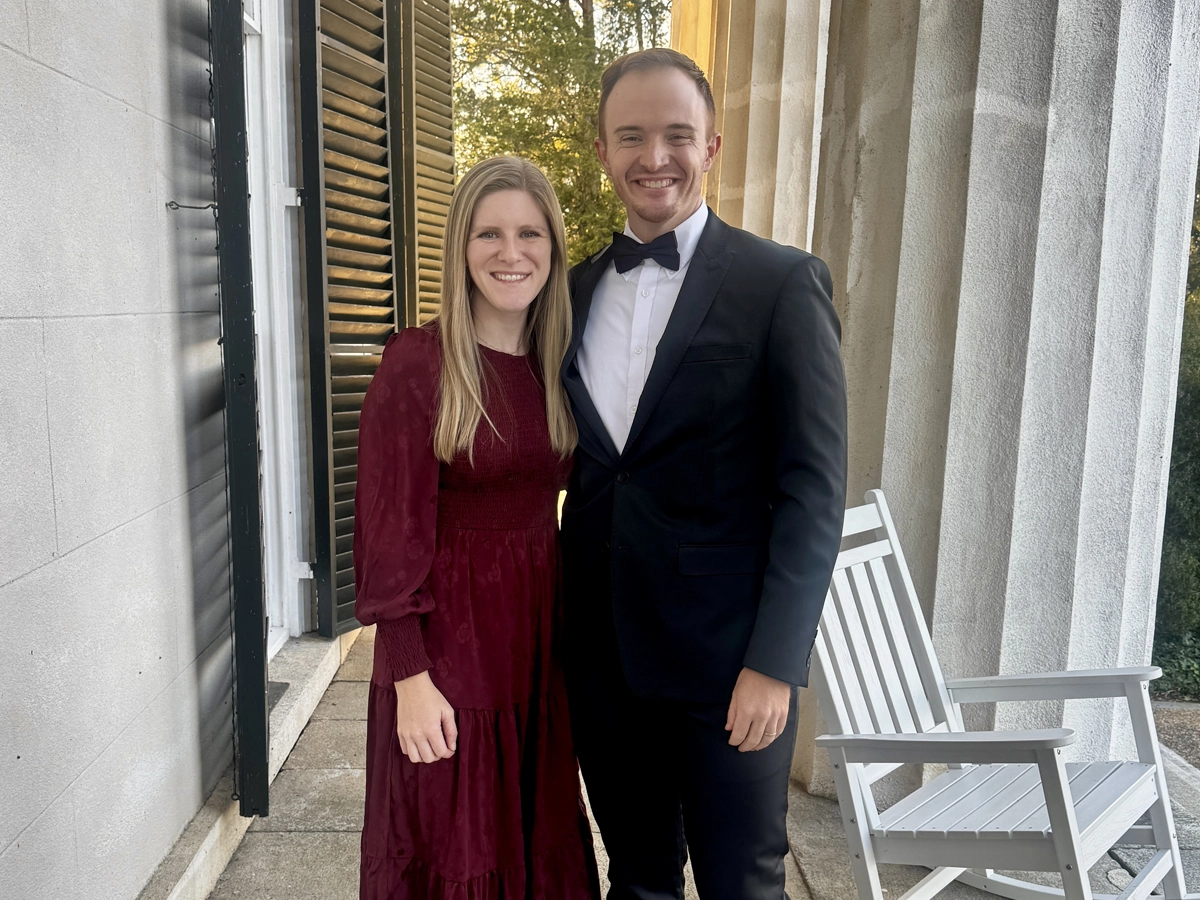
One year ago, SCMA Magazine readers were introduced to Dr. Emily Ranta and her husband, Dr. Josh Ranta, as they embarked on one of medicine’s most demanding milestones: their first year of residency. Fresh out of medical school, the seven-year married couple was stepping into long hours, steep learning curves and the responsibility of caring for patients at Prisma Health in Columbia.
A year later, Emily finds herself reflecting on just how quickly life has changed.
“It’s been such an enjoyable year because I’ve felt incredibly supported. Looking back now, it’s amazing how much has happened in what feels like such a short time,” she said.
That sense of gratitude has shaped her perspective throughout the year. While residency demands long hours and personal sacrifice, Emily says she has never lost sight of why she chose medicine.
“There are absolutely days that are exhausting and there are sacrifices you make, but I really do feel it’s a privilege to serve people during some of the most vulnerable moments in their lives. When a patient improves or a family finally has good news, it reminds you why every long day is worth it.”
One of the biggest adjustments has been transitioning from medical student to physician.
Throughout the year, Emily completed rotations in specialties including cardiology and nephrology and is looking forward to upcoming experiences in pulmonology and rheumatology.
“Every rotation teaches you something new. I come away with knowledge that will help me take better care of my future patients,” she said.
Residency has also brought practical challenges, including overnight ICU rotations from 6 p.m. to 6 a.m., adjusting sleep schedules and, she admits with a laugh, occasionally relying on a third cup of coffee to make it through the night.
Still, she has been pleasantly surprised by her program’s commitment to work-life balance.
“Our program really understands that we’re people before we’re physicians,” she says. “They’ve worked hard to keep Josh and me on similar schedules whenever possible. That kind of support really matters because when you’re able to take care of yourself and your relationships, you’re able to take better care of your patients.”
As Emily enters her second year, she’ll help lead first-year residents, supervising larger patient loads while becoming a mentor herself.
“My goal is to be the kind of senior resident that I was fortunate to have during my first year,” she says. “Teaching is one of the best ways to continue growing yourself.”